Mattress materials and support
Natural Hybrid Mattresses: What to Know About Materials and Support
A mattress is less a single object than a small arrangement of decisions: what lies closest to the body, what gives way beneath it, what holds its shape, and how those parts behave after years of use. Natural hybrid designs bring several materials into the same construction. Understanding their roles can make comparisons more useful than a label alone.
What “hybrid” tells you—and what it doesn’t
A hybrid mattress combines distinct materials or construction types, usually in layers intended to serve different purposes. One layer may cushion the body; another may provide deeper support; a cover or quilting layer may affect the first impression of softness and breathability. The word suggests a combination, but it does not specify which materials are present, how thick each layer is, or how the mattress will feel in use.
That distinction matters when the phrase “natural hybrid mattress” appears in a product description. “Natural” is not a complete materials list, and “hybrid” is not a guarantee of any particular support system. A mattress might combine natural latex with wool and cotton, or pair natural fibers with other components. The only reliable way to understand a specific model is to examine its stated materials, their order, and the details the maker provides about construction.
Rather than beginning with a broad claim on a label, begin with questions. What is in the comfort layer? What supports the body underneath? Is a material described precisely, or only with a general term? Are certifications named and explained? The answers help separate a useful description from language that sounds reassuring but leaves the actual construction obscure.
The layers, read from the surface down
The top of a mattress shapes the first few minutes of the experience. Quilting, fabric, and any cushioning layer influence whether the surface feels smooth, springy, plush, or firm. Natural fibers such as cotton and wool may appear in covers or comfort layers; latex may contribute a more resilient response. These materials are not interchangeable, and the same material can behave differently depending on its thickness, density, and place in the design.
Below the surface, a mattress needs to distribute weight and limit uncomfortable pressure. A support layer may be made from latex or another material, and its feel depends on both the material and the way it is built. In a layered mattress, each section affects the others. A soft top over a more resistant foundation may feel different from a uniformly firm surface, even if the two descriptions use similar words.
Descriptions that identify only a cover material tell you little about the mattress as a whole. Look for a complete account of the materials, including the core and the comfort layers. When available, construction details such as layer thickness or firmness options can make the comparison clearer. If a description leaves important parts unspecified, treat that as a limitation in the information—not as evidence that the missing layer is unimportant.
- Cover and quilting: note the fabric, any fill, and whether the cover is removable or intended to stay in place.
- Comfort layers: identify the materials that cushion the body and how the maker describes their feel.
- Support layers: find out what sits beneath the comfort layers and how the overall construction is intended to support sleepers.
- Transitions and edges: check whether the description explains how the layers work together or how the perimeter is constructed.
Natural latex: a material, not a complete verdict
Natural latex is a material commonly associated with resilient, responsive comfort. In a mattress, its feel depends on the design surrounding it: thickness, firmness, placement, and the layers above and below all matter. Someone comparing natural latex organic mattresses should therefore resist treating the word “latex” as a shorthand for one particular sleeping experience.
Material language deserves close reading. A product page may describe latex as natural, organic, or certified, but those terms can refer to different claims. Look for specific wording about what is certified, which organization issued the certification, and whether it applies to the material or to a broader part of the product. Do not assume a certification based on a general sustainability statement. When the detail matters to your decision, consult the maker’s documentation and the certifier’s published scope.
Latex can be paired with other materials, including cotton or wool. Those combinations may affect surface feel, moisture handling, and the way the mattress responds. Still, the presence of natural materials does not by itself establish that a mattress is suitable for every sleeper, nor does it replace practical questions about firmness, fit, and care. Material preferences—including sensitivities or allergy concerns—are individual; buyers with health questions should seek appropriate professional advice rather than rely on marketing language.
Support is about alignment and fit
People often use “support” to mean firmness, but the terms are not identical. Firmness describes the initial impression of how hard or soft a surface feels. Support concerns how well the mattress accommodates a sleeper’s body and helps maintain a comfortable position over time. A mattress can feel firm at first yet fail to suit a particular body or sleeping position; another can feel more yielding while still providing a stable, comfortable base.
Body weight, preferred sleeping position, and personal comfort all influence how a mattress feels. Side sleepers may pay particular attention to pressure at the shoulders and hips. Back sleepers may focus on whether the surface feels balanced through the torso. Stomach sleepers often have their own preferences for a less yielding feel. These are starting points, not rules: the same mattress can feel different to different people, and no single description can predict the experience perfectly.
Consider support as a relationship between sleeper and construction, rather than an abstract quality the mattress possesses in isolation. If you share a bed, differences in body size or preferred feel may make responsiveness and motion transfer relevant. If the mattress will be used in a dormitory, guest room, or other shared setting, durability and maintenance may matter alongside individual comfort. In each case, the most useful comparison is grounded in the intended users and the way the mattress will actually be used.
Where possible, review trial terms, return conditions, and warranty language before buying. These policies do not tell you how a mattress will feel, but they clarify what recourse exists if the choice proves unsuitable. Read the conditions directly: time limits, required foundations, care instructions, and exclusions can differ among makers.
Comparing material claims and certifications
Certification can help make a materials claim more legible, but it should be read in context. A mark may apply to a particular fiber, a manufacturing process, or a defined portion of a product. It does not automatically establish every quality a buyer might associate with the words “natural” or “organic.” Check the certificate name, the certified item, and any available scope information. When a listing gives no further detail, ask the seller or manufacturer for the documentation.
It is also useful to distinguish between a material’s origin and the finished product’s properties. “Made with cotton” says something about an ingredient, not necessarily the entire mattress. “Organic” may apply to one component, while other layers have different compositions. A careful product description should make such distinctions understandable instead of relying on a single broad adjective.
For readers comparing natural latex organic mattresses, a simple record can prevent confusion. Write down each model’s stated materials, certification details, layer arrangement, care guidance, and trial terms. That modest exercise turns a crowded marketplace into a set of comparable facts. It also makes gaps visible: if one product gives a full materials breakdown and another gives only a slogan, the difference in transparency is itself worth noting.
Care, protection, and long-term use
Care begins with the manufacturer’s instructions. A mattress may have materials that should not be soaked, aggressively scrubbed, or exposed to particular cleaning products. Covers may be fixed rather than removable. Before adding a protector or topper, confirm that it fits correctly and does not interfere with the mattress’s intended use. A protective layer can help guard against routine spills and soiling, but it is not a substitute for following the care guidance for the mattress itself.
Ventilation and routine housekeeping are practical parts of maintaining a sleep surface. Keep bedding clean and dry, address spills promptly in the manner recommended by the maker, and allow damp materials to dry fully. In shared sleeping environments, clear procedures can help: identify who handles cleaning, how often bedding is changed, what to do after a spill, and how residents should report damage or signs of pests. Consistent routines are usually more useful than improvised deep cleaning after a problem has grown.
For institutional or communal use, include more than comfort in the purchasing decision. Consider the expected frequency of use, the ability to clean and protect the sleep surface, the availability of replacement parts or service, and any applicable local safety requirements. Regulations vary by location and setting, so check with the relevant authority or qualified professional rather than assuming that a general product description settles compliance questions.
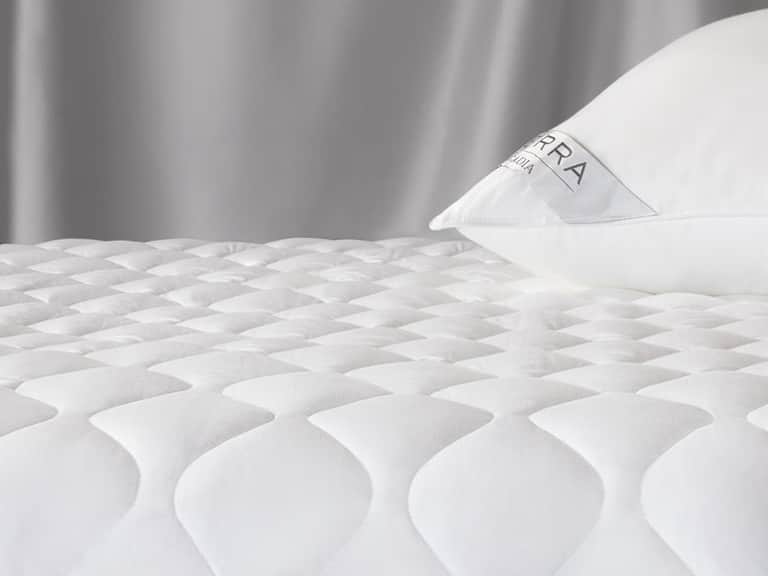
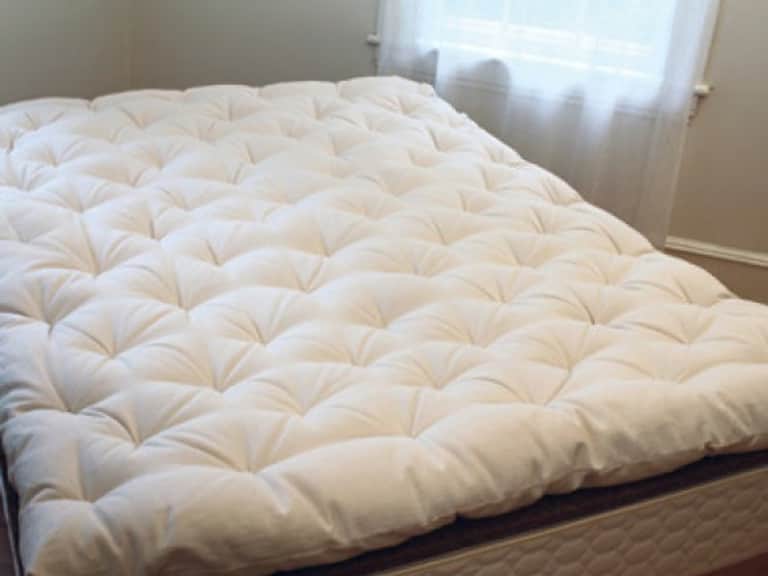
A mattress pad can add a layer of cushioning or protection, but it is a separate bedding component, not proof of the mattress’s materials or performance. Choose one that fits the mattress dimensions and depth, and follow its laundering instructions. For instance, the Savvy Rest Pastoral Wool Mattress is described as a 4.5-inch, latex-free mattress made with GOTS-certified organic wool batting and a tufted organic cotton cover. Its stated materials and height offer concrete points to consider, but they do not replace checking whether its feel and construction suit the intended sleeper.
A practical checklist before choosing
When comparing mattresses, move from broad preference to specific evidence. A short checklist makes it easier to keep claims, comfort, and logistics in view at the same time.
- Define the use: Is the mattress for one person, a shared room, a guest space, or frequent institutional use?
- Describe the preferred feel: Consider whether the sleeper prefers a responsive, cushioned, or firmer surface, while recognizing that labels are subjective.
- Read the full materials list: Look beyond the cover and identify the comfort and support layers.
- Check certification details: Confirm the name and scope of any certification instead of inferring meaning from broad claims.
- Review fit and setup: Verify size, mattress height, foundation requirements, and any handling considerations.
- Understand care: Find out how to clean the mattress, whether a protector is recommended, and what should be avoided.
- Read the policies: Check trial periods, returns, delivery arrangements, and warranty conditions before purchase.
- Account for the setting: For communal use, consider cleaning routines, durability, safety requirements, and clear responsibility for upkeep.
Questions worth asking the maker
A product page is only one part of the decision. If a detail is missing, a direct question may yield the information needed to make a fair comparison. Ask which materials are used in each layer, what the stated certification covers, and whether the cover can be removed or cleaned. For shared or high-use settings, ask what care procedures are recommended and whether the mattress requires a particular base or foundation.
It may also help to ask how the maker describes the firmness and intended feel, while remembering that such descriptions are not universal measurements. If there are concerns about allergies, chemical sensitivities, or other health conditions, seek advice from a qualified clinician and request precise ingredient information from the manufacturer. General assurances are not a substitute for information tailored to a particular concern.
Keep answers in writing when comparing several options. The goal is not to turn mattress shopping into a technical audit; it is to make sure a meaningful purchase rests on more than a persuasive name. Clear answers about materials, care, and construction help buyers understand both what is known and what remains uncertain.
A better way to think about comfort
Comfort is often described as though it were a property sealed inside a mattress, waiting to be discovered. In reality, it emerges from the meeting of materials, construction, the sleeper’s body, and the room in which the mattress is used. A responsive layer may feel lively to one person and too buoyant to another. A soft surface may feel inviting at first and less suitable after a full night. Specifications can narrow the field, but personal experience remains important.
That is why the most useful account of a natural hybrid mattress is not a grand promise but a clear explanation of its parts. Materials tell you what the mattress is made from; construction indicates how those parts are arranged; support and firmness describe different aspects of the experience; care instructions help you preserve the product in daily use. When each is considered separately, the choice becomes less mysterious—and less vulnerable to the seductions of a single word.
The useful question
There is no universally ideal natural hybrid mattress. There are, instead, designs with particular materials and support arrangements, and sleepers with particular needs, preferences, and practical constraints. Compare the stated construction, check the meaning of certifications, and think carefully about who will use the mattress and how it will be maintained. A precise understanding of those details is a better starting point than the reassuring sound of “natural” alone.