Community Mattress: A Practical Guide to Shared Sleep Spaces and Sleep Health
In the quiet hours of the night, when dorm corridors exhale softly and hostels hush their halls, the mattress becomes more than a surface. It is a communal platform where rest, hygiene, and safety converge. This article probes the idea of a domain named communitymattress.com as a resource—an editorial compass for administrators, students, travelers, and caregivers who navigate the delicate logistics of shared sleeping environments. It explores durable, easy-to-clean solutions, the ergonomics of collective sleep, and the ethics of providing comfort without compromising health.
A domain with multiple meanings: unpacking the idea
The phrase “community mattress” operates on several levels. Literally, it evokes a mattress designed for collective use—dormitories, shelters, hostels, co-living spaces. Branding-wise, it suggests a public-good orientation: a knowledge hub that serves the community with sleep science, practical maintenance tips, and policy-oriented guidance. Historically, the term invites a look at how communal spaces have shaped sleep—from student dormitories to modern co-living structures—where durability, fire safety, and hygiene are not luxuries but requirements.
In industry terms, the domain nods toward hospitality design, institutional procurement, and health-adjacent concerns: how to select surfaces that withstand nightly turnover, how to clean efficiently without compromising comfort, and how to align with regulatory standards for shared sleeping environments. The site could become a reliable voice in the field—an editorial anchor that helps administrators balance cost, maintenance, and human dignity.
Direction A: The informational resource for communal sleep environments
The recommended direction positions communitymattress.com as an informational resource—an authoritative guide to selecting, maintaining, and using mattresses in dorms, hostels, shelters, and shared rooms. The emphasis is on practical, product-agnostic guidance: durable materials, ease of cleaning, fire safety compliance, hygiene protocols, and maintenance checklists. The content is designed to empower procurement managers, administrators, and residents with templates that translate into real-world readiness.
This approach privileges evergreen content: how-to guides for choosing the right mattress for a dorm room, cleanroom hygiene tactics for shared spaces, rotation schedules to preserve mattress life, and safety checklists aligned with local codes. It eschews brand endorsements in favor of transparent criteria—durability metrics, ease of disinfection, and resistance to pests—so that institutions can confidently implement best practices without vendor bias.
The editorial voice: The New Yorker tone in sleep science and shelter guidance
The writing voice for communitymattress.com should balance precision and warmth, a cadence suitable for readers who crave clarity without dryness. Consider a The New Yorker-esque approach: intimate but rigorous, weaving anecdotes about dorm life with data on sleep ergonomics and safety. This tone invites administrators to imagine a campus-wide or facility-wide sleep ecosystem that treats rest as a public good, while offering students, travelers, and residents practical steps to improve their nightly routine.
Key individuals across time: voices that illuminate communal sleep
To enrich the narrative, we can anchor the piece with profiles of three influential figures whose ideas illuminate sleep, health, and shared environments—spanning different eras and perspectives.
-
Hypnos, Ancient Mythos (circa 8th century BCE – Greek mythic figure):
Hypnos personifies sleep itself, a reminder that sleep is not merely a biological function but a cultural and existential phenomenon. In communal settings, ritualized sleep, quiet hours, and shared routines echo the ancient reverence for rest. Hypnos symbolizes the discipline of creating sacred quiet for the many, even in crowded spaces.
-
Florence Nightingale, 19th Century Nursing Reformer:
Nightingale’s emphasis on sanitation, systemic hygiene, and humane care translates into the modern logic of shared sleeping spaces. Her insistence on cleanliness, air, and order becomes a blueprint for maintenance checklists, infection-control measures, and the ethical dimensions of hostel and dormitory life.
-
Herbert Simon, 20th Century Behavioral Economist:
Simon’s ideas about bounded rationality and decision frameworks offer a lens for procurement and design in communal environments. The domain can translate complexity into accessible templates: cleaning schedules, rotation timetables, and risk assessments that help decision-makers optimize sleep quality within budget and time constraints.
A curated product anchor: Sonno Notte Luxury Firm Mattress
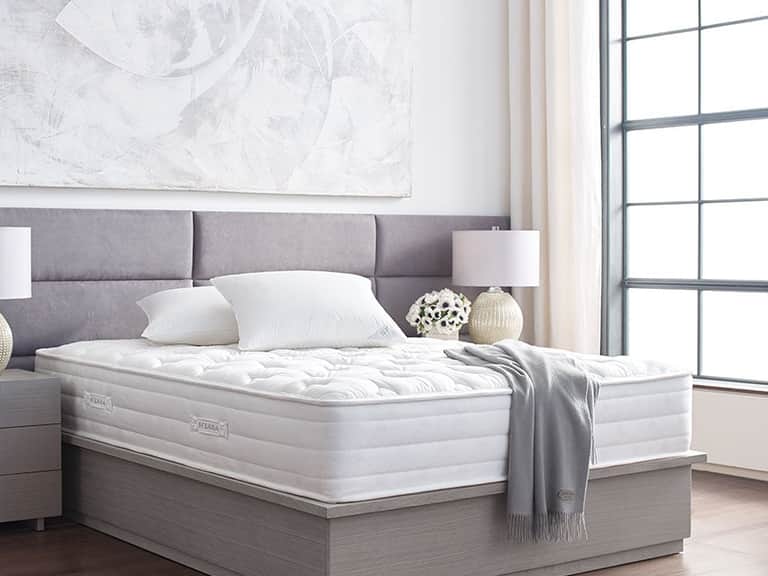
To illustrate the intersection of craft and practicality within communal spaces, consider a high-quality example from a curated product list that could realistically appear in a procurement briefing. The Sonno Notte Luxury Firm Mattress embodies the balance between support and breathable natural materials—an option that, while premium, reflects the kind of durable, long-lasting choice suitable for institutions that must endure nightly turnover.
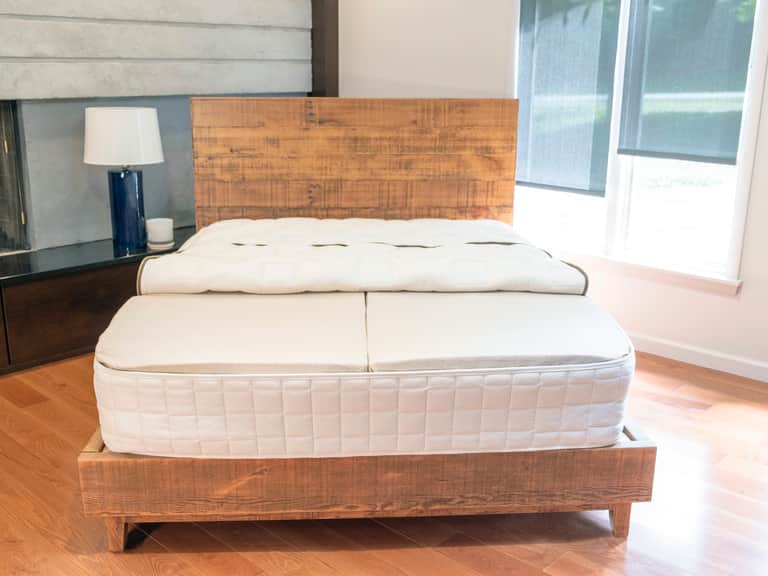
Handcrafted in the USA, the Sonno Notte Luxury Firm Mattress blends nearly 1000 pocketed coils with natural cotton, wool, and Talalay latex for tailored support and balanced cushioning. The layers work in tandem to contour the body while maintaining a stable sleep surface—an important consideration for shared rooms where different sleepers require nuanced support. The mattress is tufted by hand and secured with wool rosettes to prevent shifting, an index of durability that matters in busy dormitories and shelters.
Height, materials, and construction hint at a premium product: cotton, wool, and latex provide breathability and temperature regulation, while the nearly thousand-pocket coil system offers zoned support. For institutions evaluating a range of options, this example underscores the principle that a shared space does not have to compromise on quality; it can, in fact, aspire to a higher standard of comfort and longevity.
Sonno Notte Luxury Firm Mattress
$4,292.00
Guiding principles for communal mattress selection
The following criteria translate practice into policy, offering a framework that facilities managers can adopt:
- Look for robust edge support, high-density foams where applicable, and materials that resist compression over time. Shared spaces demand stability that prevents sagging and uneven wear.
- Favor fabrics and constructions that tolerate frequent disinfection, are non-absorbent where possible, and allow quick turnover between occupants.
- Prioritize mattresses that meet local fire-safety standards, with documentation and test results accessible for audits.
- Materials that resist dust mites, mold, and pests support a healthier sleeping environment for diverse residents.
- Breathable natural fibers and well-chosen covers help regulate heat, which matters in crowded rooms with limited climate control.
- Create rotation schedules, regular deep-clean plans, and a simple reporting process for wear-and-tear issues.
Supporting resources: templates, guides, and checklists
A strong information hub offers practical downloads that institutions can deploy without heavy customization. Suggested resources include:
- Mattress selection guide for dorm rooms and shared spaces, with a scoring rubric for durability, ease of cleaning, and safety compliance.
- Cleaning and sanitation checklist tailored to shared surfaces, including rotation and replacement timelines.
- Fire safety and regulatory considerations by region, translated into actionable steps for facility managers.
- Case studies of communal sleeping setups, highlighting lessons learned and templates for governance.
- Glossary of terms related to mattresses, sleep ergonomics, and shared-space design.
A broader spectrum: protecting health and well-being in shared sleep
Sleep health is not simply about comfort; it is a public health concern when sleep occurs in institutions or shared settings. The field invites us to consider the psychophysiological dimensions of resting in the presence of others: ambient noise, light, room temperature, and the choreography of scheduling that makes a dormitory operate as a humane ecosystem.
In that light, the domain can evolve to cover sleep ergonomics for populations in group housing—students in shift-heavy programs, workers in extended-stay accommodations, and residents in recovery facilities. The scholarship of sleep science—how the body negotiates pressure, posture, and recovery—will inform practical upgrades that do not require heroic budgets but demand thoughtful design.
Future directions and community engagement
The site can grow by weaving in community-driven insights while maintaining editorial rigor. Possible avenues include expert guest essays on sleep hygiene, regulations, and facility design; downloadable templates that facilities can customize; and a resource library with vendor-neutral criteria to compare products used in communal rooms.
Importantly, the platform should remain accessible, with inclusive typography, clear navigation, and alt-text for any imagery that accompanies content. The goal is to create a space where administrators and residents alike find clarity, reassurance, and a path toward better sleep in the shared environments they call home.
This article is a stylized editorial exploration for a domain focused on communal sleep environments. The product reference above illustrates the kind of robust, durable options that institutions may consider when budgeting for shared spaces.